
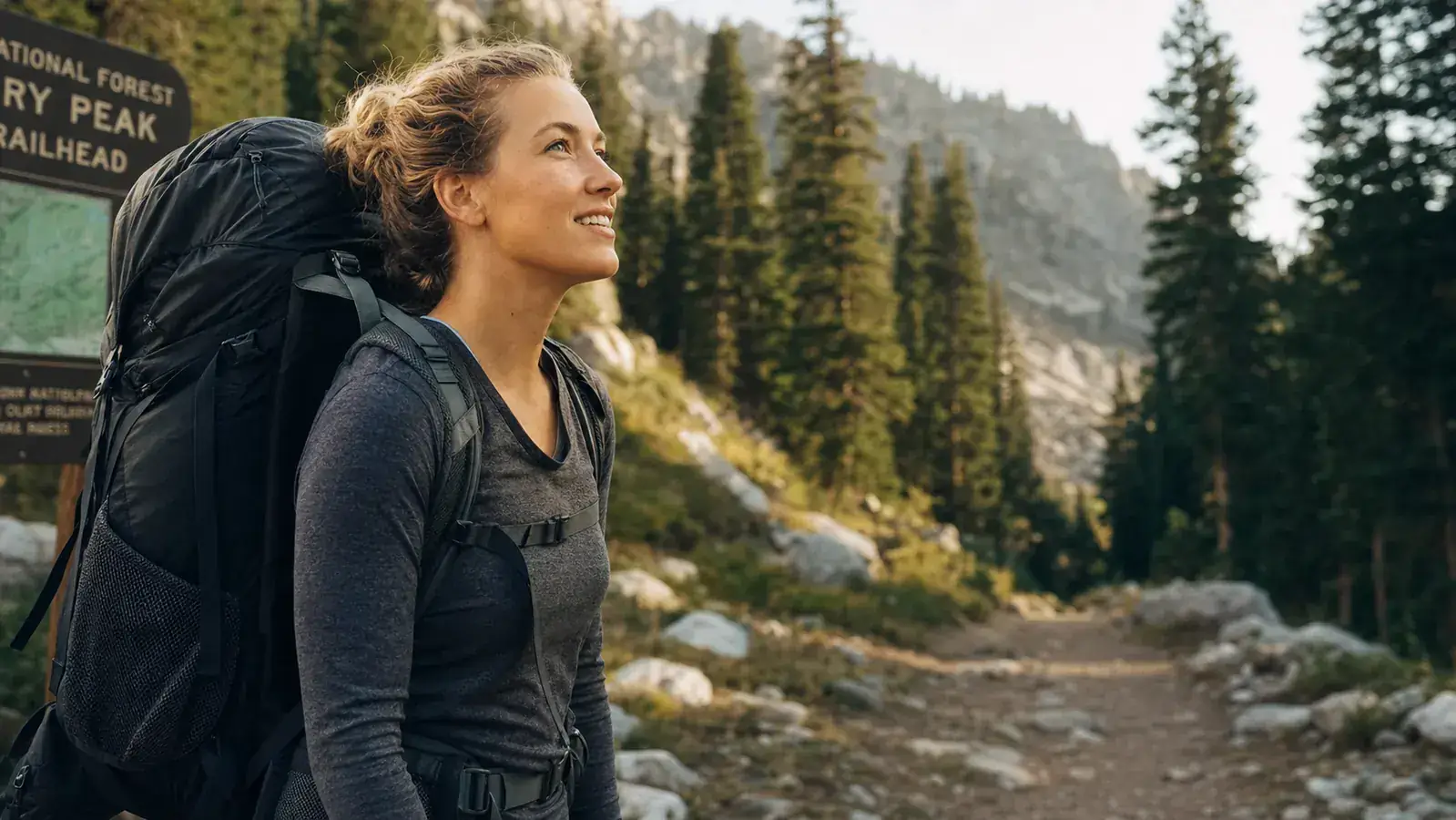
I have been leading group camping trips for going on twenty years. Car camping, mostly. Drive in, set up, cook dinner, drive home. I know that world cold. But backpacking solo overnight, with everything you need on your back and no truck to fall back on, that is a different thing entirely. I kept putting it off. I told myself I was waiting for the right gear. Which, if I'm honest, mostly meant I was waiting for the right excuse not to go.
Last September I ran out of excuses. A friend told me about a 10-mile loop in the Cohutta Wilderness in northwest Georgia, one established campsite at the halfway point, no crowds mid-week, a creek crossing that was reportedly easy in late summer. I looked at the route, looked at my gear closet, and decided I was going. The one thing I did not have was a real trail pack. My day packs topped out at 20 liters. Not close to enough for a full overnight setup.
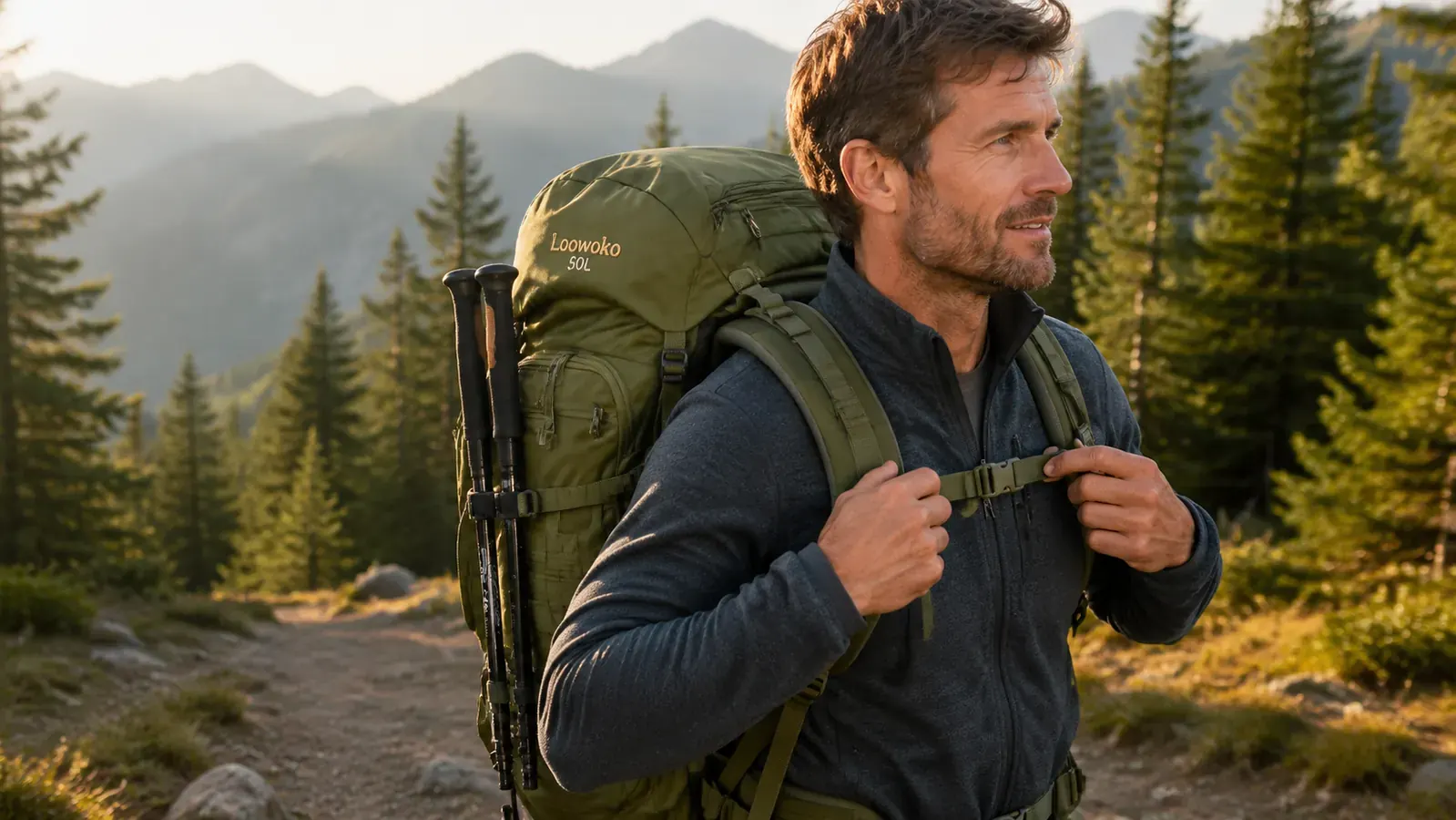
I did not want to drop two or three hundred dollars on a pack before I even knew if I would like solo backpacking. So I did some digging, read a few forum threads, and landed on the Loowoko 50L Hiking Backpack. Over four thousand reviews on Amazon at the time, sitting right at 4.5 stars, and the price was under fifty dollars. I figured if I hated the trip, I would not be out much. I ordered it on a Tuesday. It showed up Thursday. I left Friday morning.
The pack loaded well. That surprised me. I had been prepared for cheap straps and a frame sheet that folded like cardboard, the kind of issues you expect when you go budget. Instead the padded hip belt actually gripped and transferred weight, the shoulder straps were thicker than I expected, and there was an internal frame that kept the load from sloshing around when I shifted direction. I packed about 28 pounds of gear: sleeping bag, a one-man tent, cook kit, two days of food, a water filter, and a dry change of base layers. The Loowoko swallowed all of it, with room left at the top for a rain jacket and a snack.
The hip belt actually transferred weight. I kept waiting for the pack to shift and pull back on my shoulders the way cheap bags do. It did not shift. Not on the climbs, not on the descents.
The first four miles were a steady climb through hardwood forest, nothing technical, just sustained uphill work on a narrow trail with exposed roots. This is where a poorly fitted pack reveals itself fast. Your shoulders start aching in the first hour, your lower back gets that burning feeling, and the pack rides up and cuts into the base of your neck on every step. None of that happened. The hip belt stayed put. The load sat close to my back the way it should. I stopped once to tighten the chest strap and that was the only adjustment I needed all day.
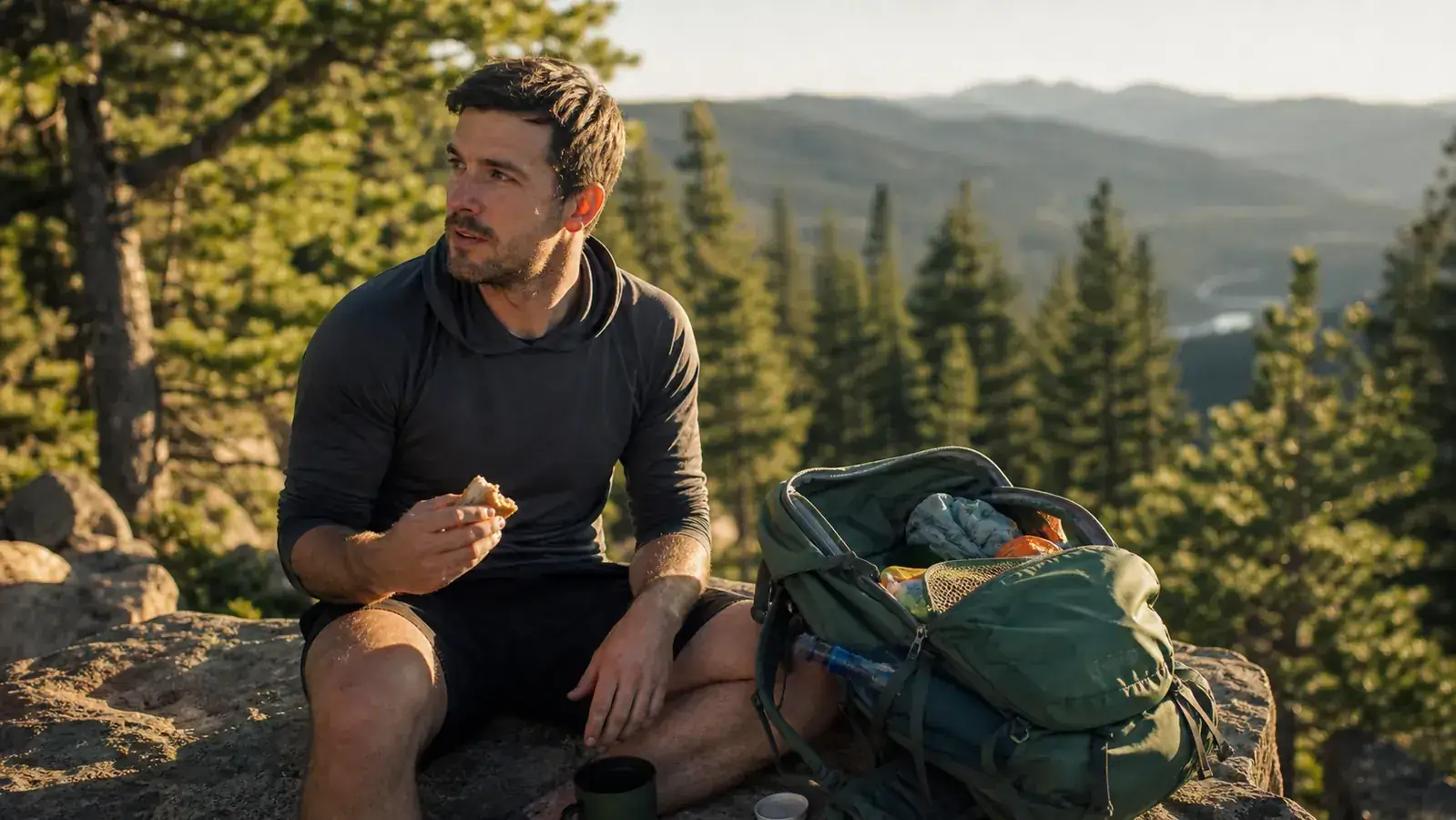
Then the creek crossing happened. The trail dropped into a gorge section about six miles in, and the creek I was supposed to ford turned out to be running faster than the typical late-summer flow, probably from a rain event earlier in the week. I picked my line, unclipped my hip belt in case I went in, and waded across. I did not go in, but I got splashed above the knee and the pack took some spray too. The rain cover came with the Loowoko, rolled up in a zippered pocket in the bottom panel. I pulled it out, snapped it over the pack, and walked the last mile into camp with everything inside still dry.
Camp was a flat spot beside the creek, a fire ring already there, enough deadfall nearby for a small fire after dinner. I set up my tent, hung my food bag, cooked rice and beans on my little backpacking stove, and sat by the fire for an hour listening to the creek. That is the moment I had been putting off for twenty years. It took a borrowed rain cover and a fifty-dollar pack to get me there.
The walk out the next morning was easier, both because the pack was lighter after burning through food and because I knew the terrain. I noticed the pack's mesh back panel on the return trip, specifically how much less I was sweating against it compared to the solid foam back panels I remembered from old daypacks. Not a dry panel, it is still a backpack on a warm morning, but better airflow than I expected.
Your first overnight does not require a $300 pack.
The Loowoko 50L gives you a padded hip belt, internal frame, and included rain cover at a fraction of the cost of name-brand trail packs. It carried 28 pounds without complaint on my first solo overnight. Check the current price on Amazon before your next trip.
Amazon Check Today's Price on Amazon →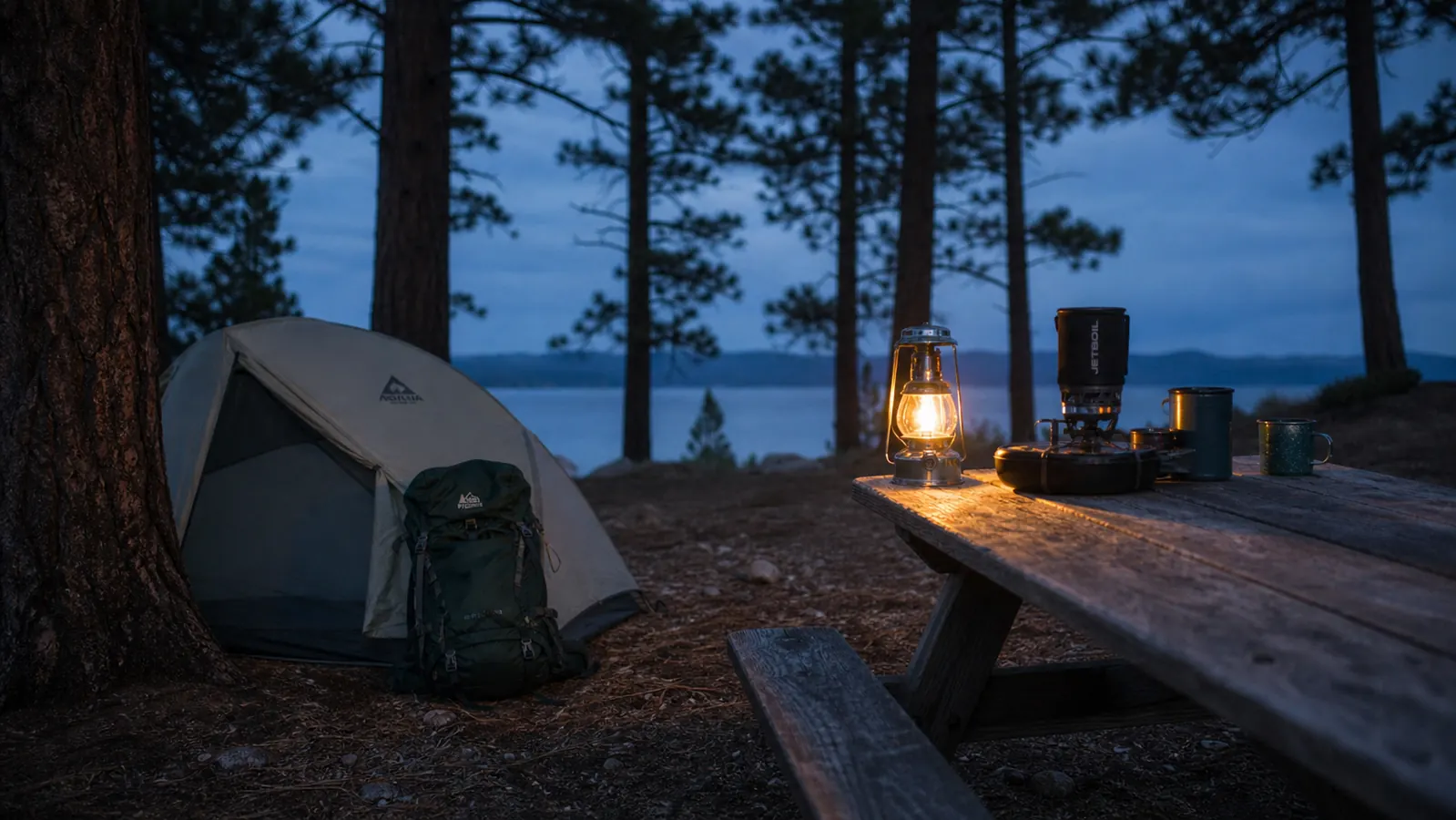
I will be honest about what I noticed on the way out that I did not love. The zipper pulls are a little flimsy feeling, the kind you grip carefully rather than yank. Not broken, just not confidence-inspiring. And the organizational pockets inside the main compartment are minimal, basically one big cavern with a sleeve for a hydration bladder. If you are someone who likes to compartmentalize your gear into neat sections, you will want to bring a few small stuff sacks to sort things out. I brought two and it was fine.
But here is what I would tell you if we were sitting at my kitchen table, the way I talk to people in my camping group when they ask about gear: do not let the price fool you into expecting a cheap experience. The Loowoko is not a fancy pack. It does not have load transfer tech or a custom fit system or a brand name that other hikers recognize on the trail. What it has is good enough structure, a comfortable carry for one to two night loads, and a rain cover that actually comes with it, which a lot of packs in the three-times-the-price range still do not include. If you are on the fence about whether solo backpacking is even for you, start here. You can always upgrade once you know you love it. I did not need to upgrade. I went back two months later with the same pack.
What I'd Tell You If We Were Sitting at My Kitchen Table
Most people who ask me about first overnight trips are not worried about the miles. They are worried about the gear failing them out there when there is no easy way back. That is a real concern, and the honest answer is that no pack at any price completely eliminates it. What the Loowoko does is remove the financial risk from the equation so you can find out if backpacking is actually your thing. Go on a real overnight. See how 28 pounds feels on your back after six miles. See if you sleep well alone in the woods. If you come back and love it, you will know exactly what you want in a next pack. If you come back and decide car camping is more your speed, you spent under fifty dollars learning that. Either outcome is worth the trip.
The Loowoko 50L: a real overnight pack at a test-drive price.
4.5 stars across more than five thousand reviews. Padded hip belt, internal frame, rain cover included. A solid first overnight pack that will not break before you decide if backpacking is for you.
Amazon Check Today's Price on Amazon →